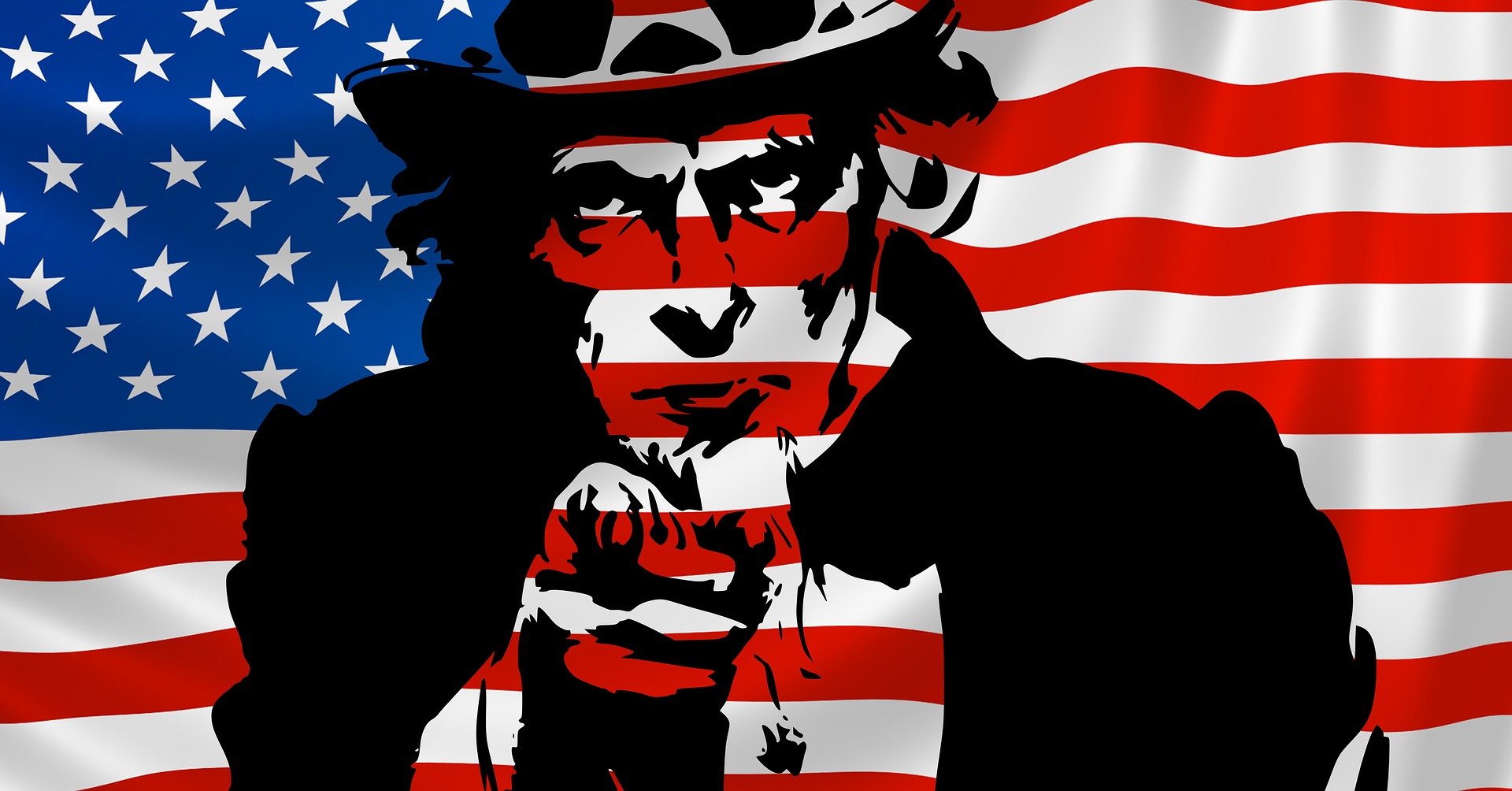
Complaints are everywhere heard from our most considerate and virtuous citizens, equally the friends of public and private faith, and of public and personal liberty, that our governments are too unstable, that the public good is disregarded in the conflicts of rival parties, and that measures are too often decided, not according to the rules of justice and the rights of the minor party, but by the superior force of an interested and overbearing majority. – Federalist 10
I’ve been told that it is the moral duty of the United States to spread freedom and democracy where it can in the world. Spreading freedom and democracy – as if freedom and democracy are somehow intertwined, almost synonymous. Everyone wants to live in a democracy so they can be free.
I hate to be the one to tell you this, but, no. Democracy does not protect your freedom.
In 2008 and 2012, Barack Obama was elected President of the United States. Roughly one half of the country vehemently disagreed with this politics and policies. But they are now subject to the Affordable Care Act. That’s not freedom. That is authoritarianism. In 2016, Donald Trump was elected President of the United States. As of this writing, it remains to be seen whether or not the promise to build a wall between the US and Mexico will happen. But if the wall gets built, it does not matter if you voted for Trump, or if you approve of the wall. You will help pay for it. That’s not freedom. That is authoritarianism.
The observation is no less acute for being misattributed to Ben Franklin: “Democracy is two wolves and a lamb voting on what is for dinner”.
Democracy only ensures that a majority, or a plurality, or in some cases even a minority (see the election of Donald Trump) has the ability to force it’s will on the remainder. It does not matter to me if it is a single dictator or 300 million other people who force me to do what I do not want to do. It does not make any difference that I was able to vote for my interests, if by losing the vote, my rights are taken from me.